A cast that looks like no one can become someone
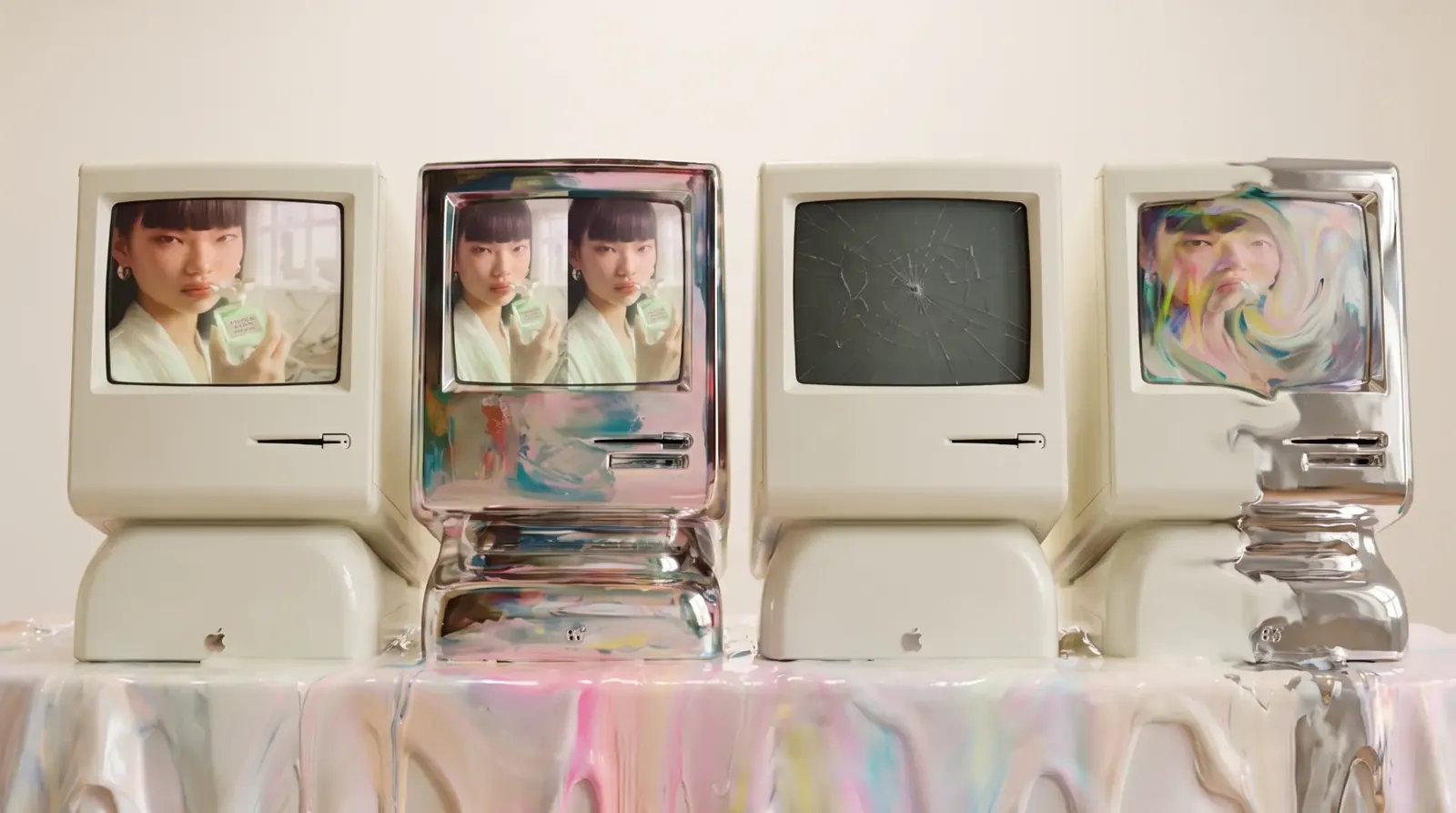
"A model, kind of like…" That prompt has been written in every studio at some point. But almost alike is too alike — both legally and creatively. A real cast is built the other way around: from character rather than celebrity.
The look-alike trap
When OpenAI launched the Sky voice in 2024, the world heard Scarlett Johansson — who had declined. The voice was paused within days. The legal test is identifiability. If people perceive a real person, the material is treated as that person's image, no matter how technically synthetic it is.
The same is true, in practice, for voices and clear style copies. Sneaking close to a famous referent is not a shortcut. It is a detour into trouble, and it also makes the cast creatively weaker. A copy can never become iconic.
How a genuinely synthetic character is built
We start in the brand, not in a face. Values and tone become a character brief with a history, temperament and style. Then we generate broadly — hundreds of candidates — before narrowing. Before lock, a likeness check is run. If the character resembles a real person, it is removed. Full stop.
Finally, the origin is documented. The character's canonical reference images are locked in the world bible with a date, and the character is written in with their own biography. That is the difference between a generated image and an asset.
The upside on the other side
A genuinely owned character can carry your brand for years. No agency, no scheduling clashes, full control over every context it appears in. And it can never be exposed as someone else, because it is someone in its own right.
That is the creative reward for doing this properly. Characters with their own history become faces the audience can build a relationship with.